01
Keep it visible
Put frequent-use items where you can reach them easily.
Bottles, cleaning accessories, storage supplies, and soothing essentials are easier to manage when their usual location is predictable.
Feeding is made up of dozens of small decisions: what to prepare, what to pack, what to clean, what to store, and what to keep close when the next feed begins. This guide brings those moments into one thoughtful routine.
Avelumi's feeding guide is designed to help parents and caregivers organize everyday bottle-feeding essentials with less clutter and more intention. From baby bottles and pacifiers to milk storage bags, bottle warmers, and diaper bags, every category has a practical role in the larger routine.
Use this page as an organizational reference alongside the directions supplied with each product and guidance from your pediatric care provider.
Every baby is different. Feeding needs, quantities, timing, techniques, and developmental considerations should be discussed with an appropriate pediatric healthcare professional when needed.
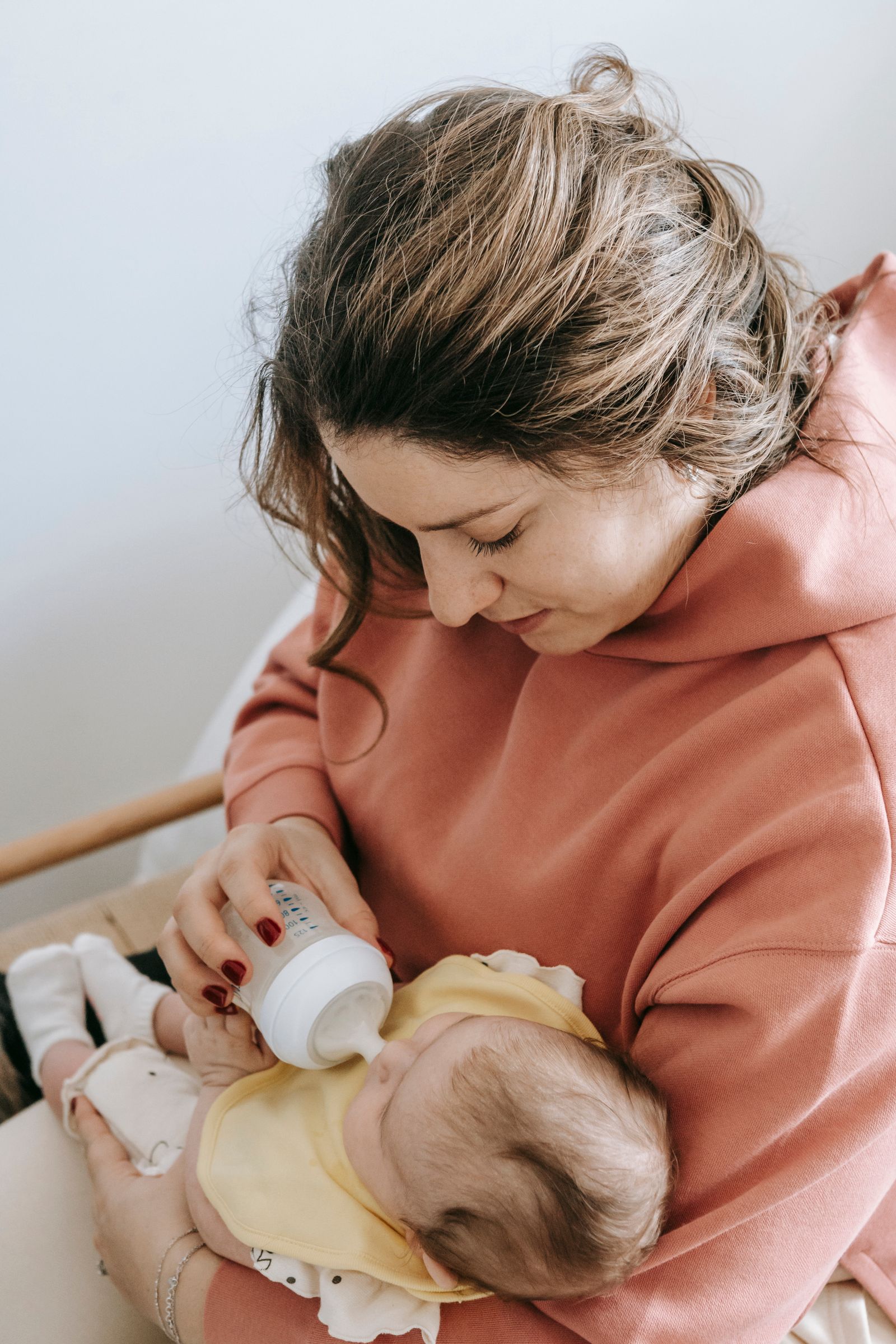
The most practical feeding spaces are often built around a few repeatable actions: prepare, feed, soothe, clean, store, and reset.
Instead of collecting large numbers of accessories, think about the products you genuinely reach for during those moments. A bottle has a clear role during feeding. A milk storage bag supports organization before a feed. A bottle warmer can support preparation when used according to its instructions. A pacifier can become part of a soothing routine. A diaper bag carries that same system beyond home.
When each product has a defined place and purpose, the routine can become easier to repeat. The aim is not perfection. It is a setup that feels familiar when you are tired, busy, traveling, or preparing for the next feed with one hand.
A calm feeding space is less about having more, and more about knowing where everything belongs.
These principles can help shape an organized feeding station at home and make it easier to recreate the same logic inside a diaper bag.
Bottles, cleaning accessories, storage supplies, and soothing essentials are easier to manage when their usual location is predictable.
Distinguishing clean items from used items can make the routine easier to understand at a glance, particularly during busy parts of the day.
Replacing supplies while the previous feed is still fresh in your mind can make the next preparation feel less rushed.
Cleaning, warming, assembly, storage, and replacement directions can vary. Always follow the information supplied with each item.
Feeding can feel more manageable when every action belongs to a familiar sequence. Adapt the sequence to suit your family's needs and the products you use.
Begin with clean hands and appropriate feeding equipment. Prepare milk or formula according to the instructions and guidance relevant to your baby's feeding needs.
Gather the bottle, cloth, soothing item, and anything else you typically need before settling in. Keeping the essentials within reach helps minimize unnecessary movement during the feed.
Follow your baby's individual feeding plan and healthcare guidance. Product pages and accessories can support the routine, but they do not replace individualized pediatric advice.
Move from feeding into whatever settling routine works for your baby. If a pacifier is part of that routine, keep clean options stored in a consistent place.
Follow the cleaning directions for bottles, nipples, pacifiers, warmer components, and other feeding accessories after use.
Return clean items to their usual place, replenish storage supplies, and repack outing essentials. The goal is to make the next feeding routine easier to begin.
Avelumi's feeding assortment spans the core categories that support preparation, feeding, storage, soothing, and travel.
Baby bottles sit at the center of many feeding routines. Consider capacity, component design, age guidance, cleaning instructions, and the needs of your individual baby when reviewing a bottle.
See the feeding rhythmPacifiers can be part of a familiar soothing routine. Keep clean options stored separately from used items and review age, material, care, and replacement guidance for the specific product.
Review care notesStorage bags can support an organized expressed-milk routine. Follow appropriate milk-handling guidance and the individual product instructions for filling, sealing, labeling, storage, thawing, and disposal.
Read storage guidanceBottle warmers can support preparation when used correctly. Because operating methods vary, follow the manual for water levels, settings, compatible containers, warming times, cleaning, and maintenance.
View warming notesA diaper bag can become a portable version of your home routine. Instead of filling every pocket, assign areas for feeding, changing, soothing, cleanup, and parent essentials. Keeping clean feeding accessories separate from used items helps the bag stay easier to navigate throughout the day.
Build an outing setup
A well-planned feeding area does not need to look complicated. It simply needs to help you find what comes next.
Keep the feeding products you use most often in one consistent area rather than spreading them across several rooms.
Store additional bottles, pacifiers, and milk storage supplies close enough to restock without interrupting the overall routine.
A simple separation system can make it easier to understand which feeding accessories are ready and which still need attention.
Replenish the station after the previous routine so that the next feed does not begin with last-minute searching.
Milk handling is an area where appropriate health guidance matters. Use current guidance from qualified healthcare authorities and follow product-specific instructions.
Review the bag instructions before use, including any information about capacity, filling, sealing, labeling, and intended storage conditions.
A consistent labeling method can help keep stored milk organized. Follow relevant healthcare guidance for storage duration, temperature, thawing, and safe handling.
Replenish clean storage bags, keep the area uncluttered, and dispose of single-use items according to their instructions after use.
Bottle warmers differ by model. Always follow the operating directions for the specific appliance you use.
Review setup, water levels, compatible bottle types, warming modes, cleaning directions, and safety information before first use.
Settings can vary according to volume, starting temperature, container type, and appliance design.
Always check feeding temperature using appropriate safe practices before offering a prepared bottle to your baby.
Follow the appliance's cleaning, draining, descaling, and maintenance directions to keep the warmer ready for its next use.
Product materials differ, so care instructions always take priority. These steps are intended as an organizational framework, not a replacement for manufacturer directions.
Keep used feeding items apart from clean, ready-to-use items after each routine.
If instructed, separate bottle components before cleaning so all required areas can be cared for properly.
Follow the cleaning method specified for the individual bottle, pacifier, or accessory.
Allow items to dry in the manner recommended by the product instructions before storing them.
Look for visible wear, cracks, tears, discoloration, or deterioration where relevant.
Return ready-to-use items to a clean, organized location for the next routine.
A bag feels easier to use when its layout mirrors the routine you already know at home.
Instead of filling every pocket because it is available, assign practical zones. Feeding essentials belong together. Changing products belong together. Clean soothing items stay separate from used items. Parent essentials have their own space. The result is a bag that is faster to understand when you need something quickly.
Organize the bottles, feeding accessories, and appropriate storage supplies you expect to need during the outing.
Keep clean pacifiers or other appropriate soothing essentials protected and easy to locate.
Group diaper-changing items together so they do not become mixed with feeding accessories.
Create a defined place for used or soiled items until they can be handled appropriately.
Feeding routines are not static. Product choice, feeding method, and caregiver workflow may change over time.
During the earliest routines, reducing unnecessary searching can be especially helpful. Keep only the products you use frequently in the primary feeding area and store backups separately.
As routines change, review bottle sizes, pacifier needs, storage supplies, and bag organization. Follow age and replacement guidance for the individual products you use.
A diaper bag should evolve with the day. Remove items that are no longer relevant, replenish frequently used supplies, and keep the layout familiar.
Our U.S. storefront is supported by clear service standards designed to keep everyday shopping simple.
Customer support is available around the clock for order and shopping assistance.
All Avelumi products include free shipping, keeping delivery costs straightforward.
Our standard order delivery timeframe is 3–5 business days.
Free returns and exchanges are available within 30 days under our applicable store policy.
Each answer begins closed so you can open only the information you need.
Avelumi's current feeding and nursing assortment includes Baby Bottles, Pacifiers, Milk Storage Bags, Bottle Warmers, and Diaper Bags. The store also offers baby care products including Baby Wash & Shampoo, Baby Lotion, Bath Towels & Washcloths, Baby Wipes, Rash Creams, and Baby Thermometers.
Review the product's size, material, component design, age guidance, intended use, cleaning requirements, and any flow-related information supplied with the item. Individual babies can have different feeding needs, so consult an appropriate pediatric healthcare professional when you need personalized guidance.
Replacement intervals vary by material and product. Follow manufacturer guidance and inspect reusable items regularly for wear, damage, tears, cracks, deterioration, or other changes that may indicate replacement is appropriate.
Always follow the specific cleaning, sterilization, drying, and maintenance directions supplied with the product. Different materials and components can require different care methods.
Read the appliance manual before first use. Follow its directions for water level, compatible containers, warming settings, operating time, cleaning, and maintenance. Always check feeding temperature before offering a bottle.
Follow the product instructions and current appropriate healthcare guidance for filling, labeling, storage temperature, storage duration, thawing, handling, and disposal. A consistent labeling and organization system can make the storage area easier to manage.
The exact contents depend on your baby's needs and the length of the outing. Organizing the bag into feeding, changing, soothing, cleanup, and parent zones can help keep frequently used items easier to find.
Yes. Avelumi provides free shipping on all products. The standard delivery timeframe is 3–5 business days.
Avelumi provides free returns and exchanges within 30 days, subject to the applicable store policy, product condition requirements, and product eligibility rules.
Yes. Avelumi provides 24/7 customer support for order and shopping assistance.
Avelumi's current email signup promotion offers 16% savings when customers join eligible store email communications. Applicable terms can be shown where the promotion is presented on the storefront.
No. This page is intended to provide general organizational and product-care information. It does not replace medical advice, pediatric guidance, feeding recommendations, or the instructions supplied with individual products.
For questions about an order, delivery, return, exchange, or product-shopping experience, our customer support service is available 24/7.